• Any society that embraced slavery necessarily spawned Maroons. As history documents, people want to live free, no matter the hardships that entailed. Throughout the Caribbean and South America, Maroon communities developed beyond the reach of authorities. In Jamaica, where the government’s armed forces were few, a large and vibrant Maroon community thrived openly.

    In North America, the challenges were more significant for self-liberated individuals to establish free communities within the South. Research indicates that the further an enslaved person was from Northern free states, the slimmer the likelihood of successfully escaping. Enslaved located in border states to the North were more likely to be able to move to freedom along the Underground Railroad. Recent analysis further concludes that over 70% of successful escapes happened via water routes.

    The Great Dismal was not the only Maroon in North America. Documentation and research indicate that there were over fifty Maroon communities at some point before the end of the Civil War. None approached the size of the Great Dismal, and some existed only for a short period of time. Whether a remote Appalachian location or other swamps that dotted the South, people sought any opportunity. Outside of New Orleans, which was ruled by the Spanish prior to the Louisiana Purchase, Jean Saint Malo led a band that at times exceeded one hundred. This group was aided at times by the pirate Jean Lafitte (see his smiling image above). In another case, a creative individual dug a bunker near his former owner’s plantation and lived underground for years with the assistance of nearby slaves.

    The creativity and risks taken never cease to amaze me. Their stories need to be more widely understood and act as beacons to us to resist current challenges to our civil liberties.

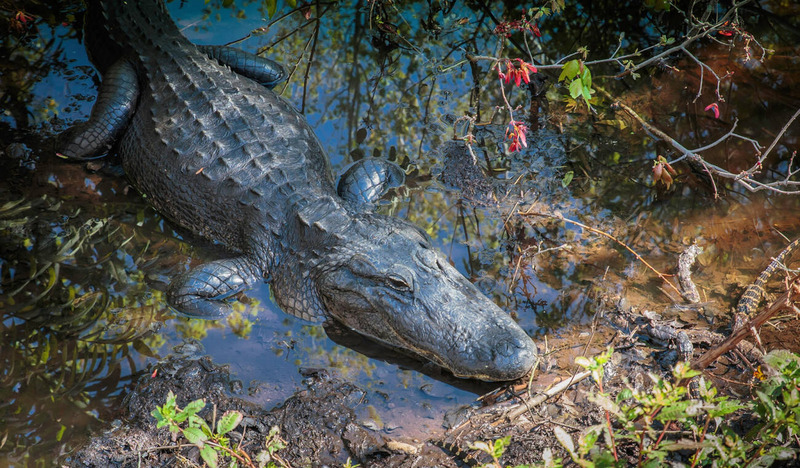
  • alligator physical characteristics and U-shaped snout in Everglades

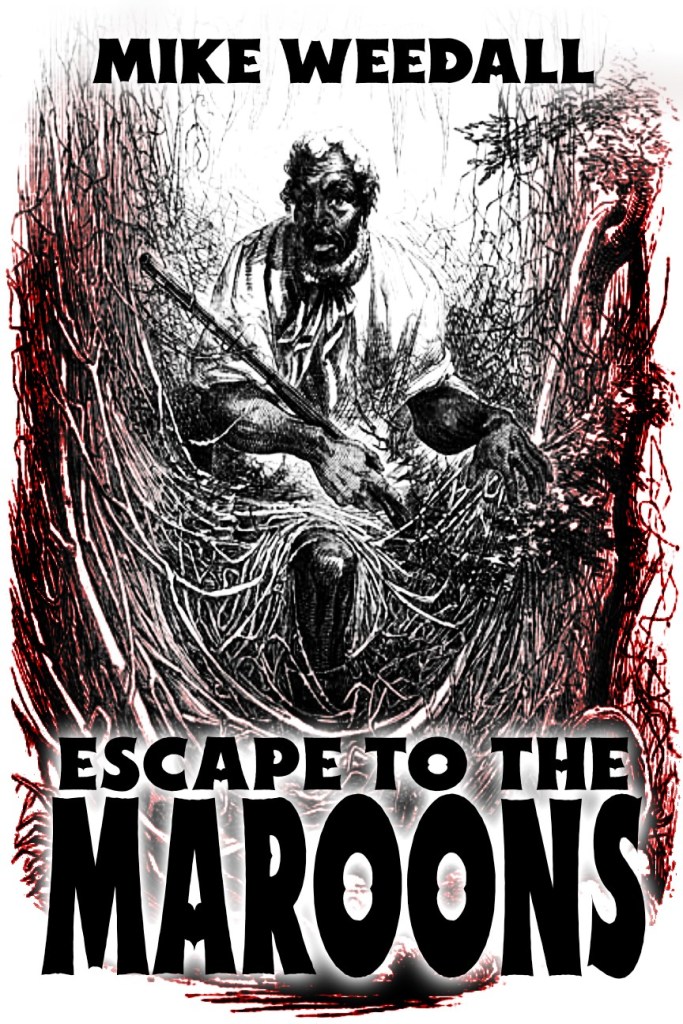
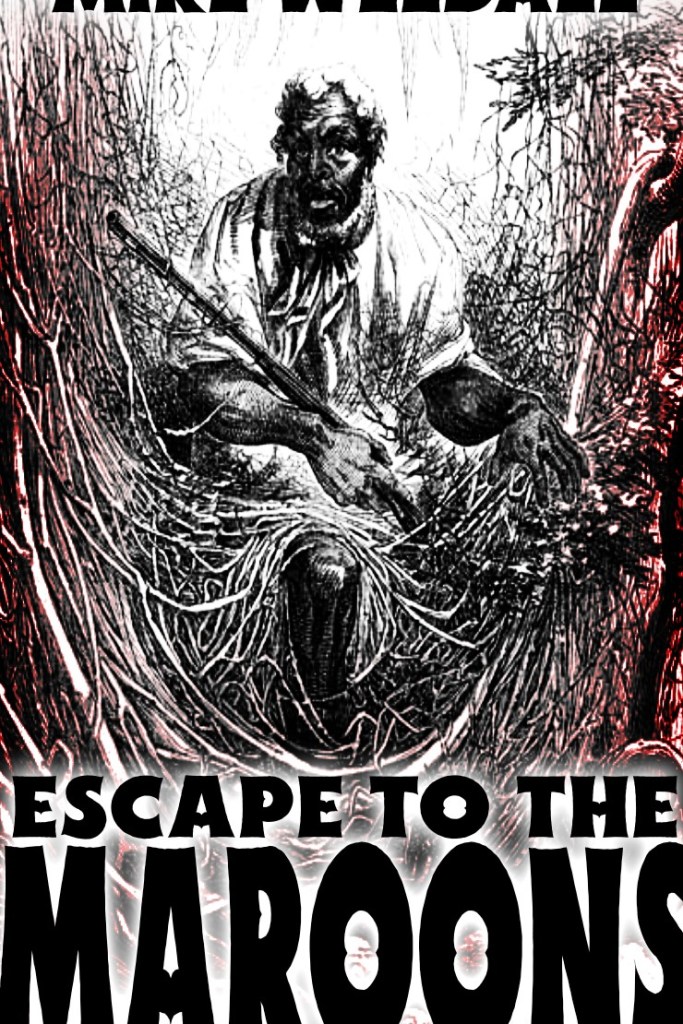
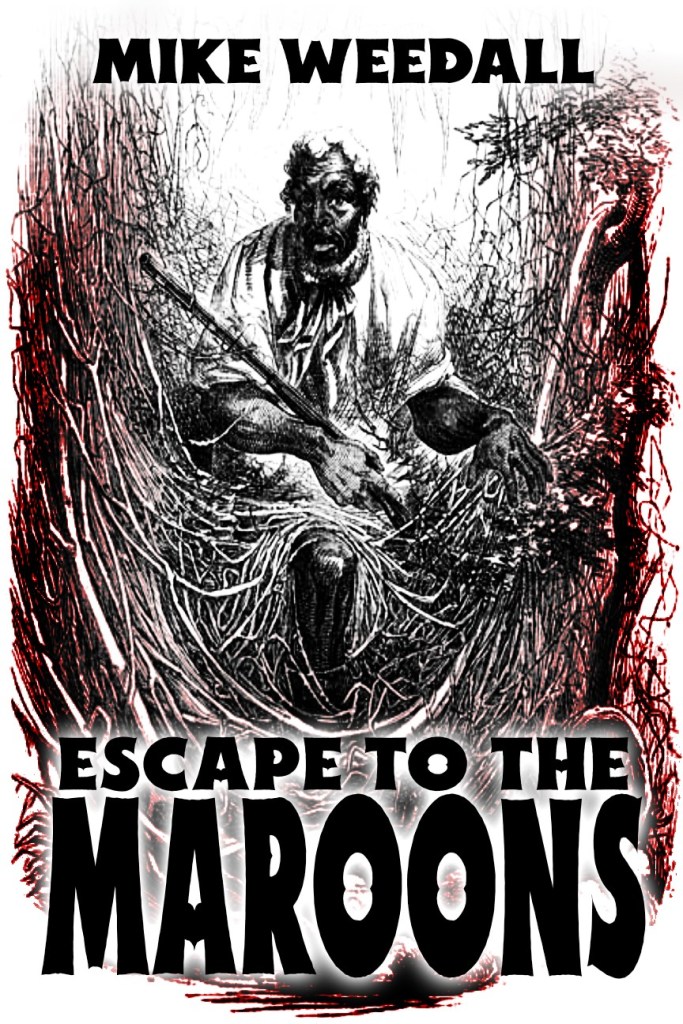
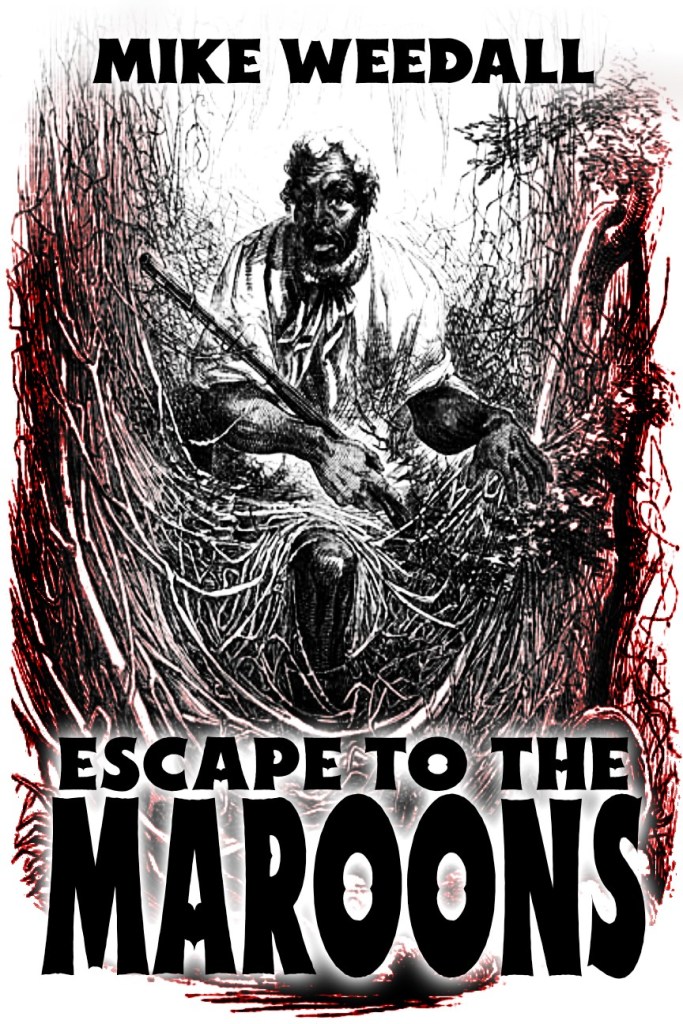
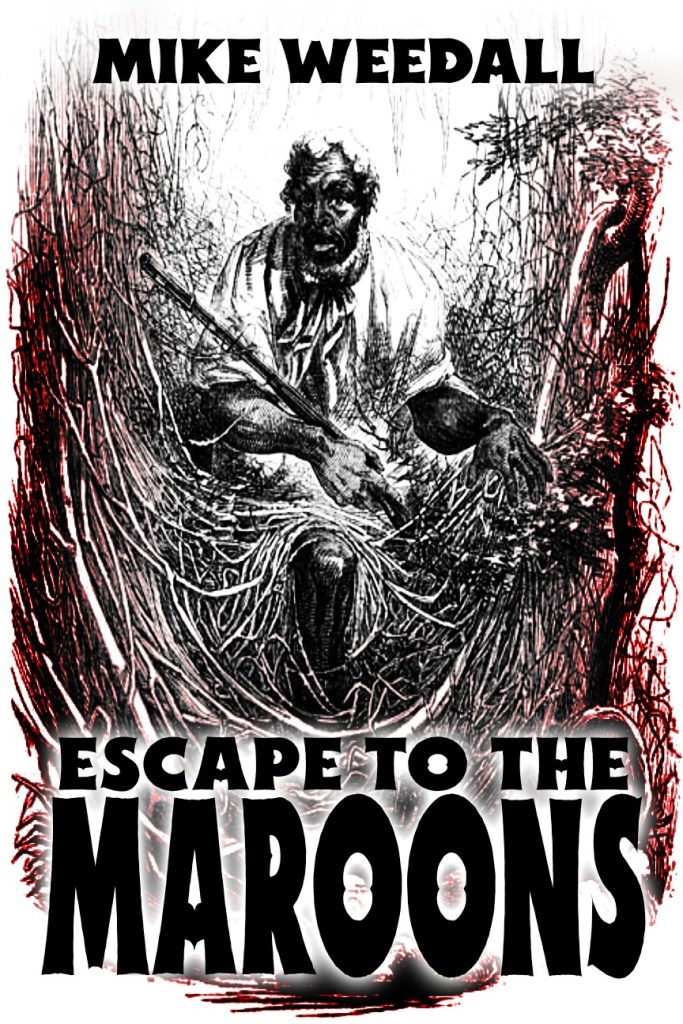
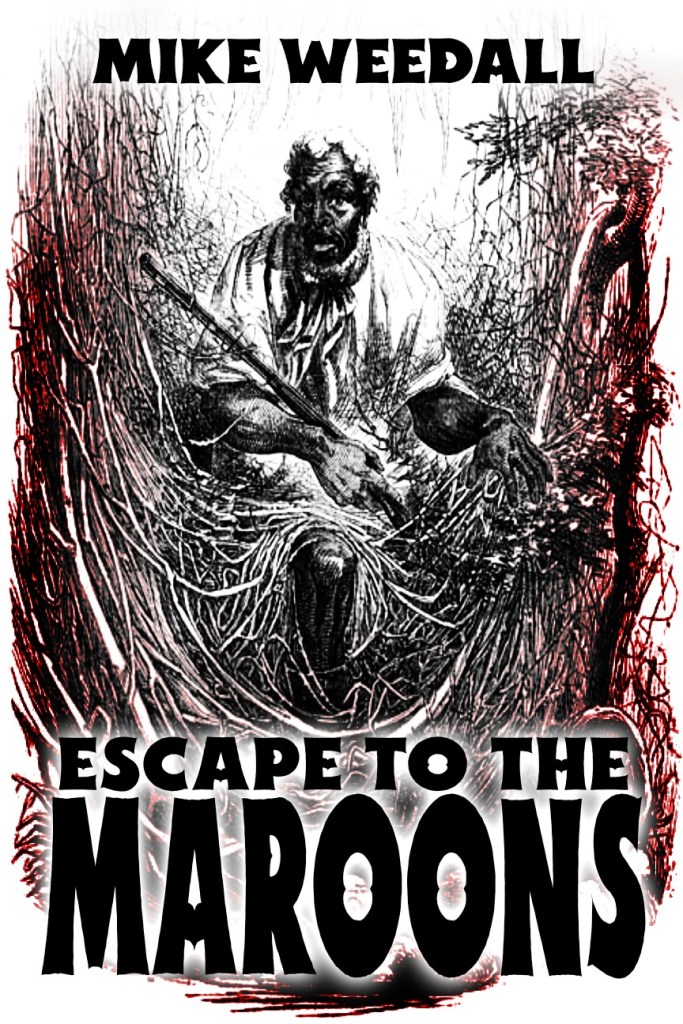
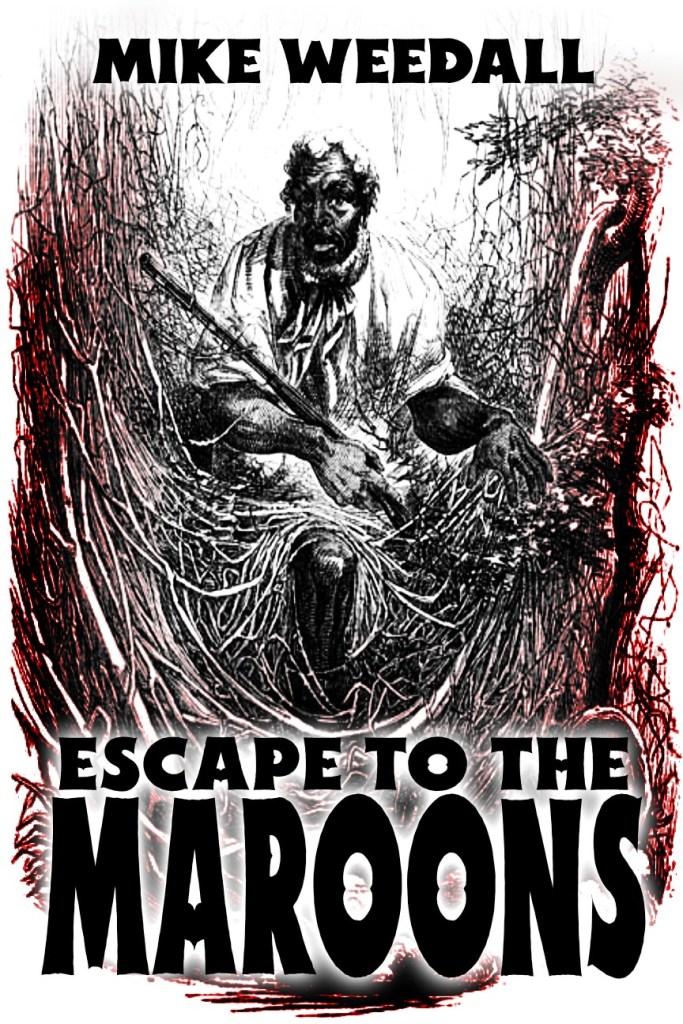
    The 1791 community in the Great Dismal Swamp that I wrote about (“Escape To The Maroons”) fought for survival from any number of dangers. Whether the threat of bounty hunters seeking to return individuals to slavery or the swamp’s natural conditions were more dangerous is debatable. Whatever the swamp’s risks, living free made the challenges worth taking on.

    One of the questions I get is how Dismal Swamp residents dealt with the alligators. Since travel in that environment often required wading through water, weren’t gators a menace?

    In my research, I found conflicting information about the presence of alligators in the Great Dismal Swamp. Some sources indicated the creatures occupied the southern areas of that swamp, while others reported that the conditions were too cold during winter. In the end, I relied upon the Ranger who hosted me at the Great Dismal Refuge. She sided with the sources that stated it was too cold. (Keep in mind that alligators are cold-blooded, and maintaining their body temperature is critical for survival.) The Ranger did add that with climate change warming the planet, alligators are gradually moving north and can now be found in Southern North Carolina. She believes that the current Federal Refuge will have alligators in the future.

    So, in 1791, while there were many threats that could easily kill a Great Dismal resident, alligators were not on that list. Snakes petrify most people, and twenty-one different varieties occupy the Great Dismal. Even if only three are poisonous, meeting a water moccasin while wading was, and still is, to be avoided. Black bears, wild boars, wild cattle, and more creatures could also kill in 1791. Then there were accidents that occurred while carrying out day-to-day tasks, such as foraging for food or chopping wood. Don’t forget the swarms of mosquitoes and biting flies that spread disease, such as malaria.

    My awe continues to grow when I consider the daily challenges faced in the Great Dismal. Maroons made the ultimate statement of people determined to refuse bondage and live free. 

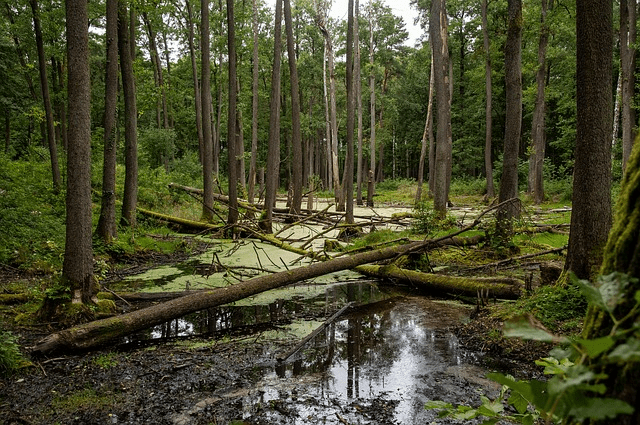
  • As my book and posts have highlighted, simply surviving in one of the worst environments in North America was a constant struggle for Maroon residents. While some self-liberated individuals chose to live close to the edge of the Great Dismal Swamp, they traded the risk of capture for opportunities to, at times, to access established communities and resources.

    The vast majority of the over 2,000 Great Dismal Swamp residents chose the safer option of residing deeper within that morass. That meant limited access to basic manufactured items such as cooking kettles, axes, hammers, nails, and other tools that colonial pioneers relied upon. It was illegal for merchants to trade with Maroon residents, though some did at great risk. Without enough basic tools and materials, the ability to grow food and hunt was limited. For security reasons, those residing in the swamp who had a few guns would resist shooting them to minimize the risk of discovery. Instead, techniques such as traps and arrows had to be employed. That meant a greater likelihood during the winter months of not having enough food. With food shortages, who had the resources to celebrate a holiday?

    While it might not have been universal in all Maroons, my research indicates that many Great Dismal Swamp communities did celebrate December’s biggest holiday. Determined to live free, these people knew the importance of celebrating community. At the time I write about, 1791, fewer first-generation slaves were arriving from Africa. By the end of the eighteenth century, most of the slave population was second- or third-generation. Those people had resided in North America long enough to be exposed to Christianity, and many accepted it. Some slave owners thought mandating Christianity would help keep those in bondage more accepting of their situations.

    So, for many, Christmas Day was a highlight of the year. Food was hoarded, an animal might be sacrificed, and alcohol fermented from a variety of plants shared. Hymns and circle dancing celebrated the joy of being together in freedom. And the birth of Christianity’s savior brought hope of one day being delivered from a society that tolerated slavery.

    I was taught from an early age to be thankful for what our family had and to share throughout the year with those less fortunate. This year, with too many minorities in America forced to stay hidden to avoid increased immigration enforcement, the parallels to the conditions of the Maroons is striking. With this year’s celebration of Christianity’s savior, who brought messages of brotherhood and tolerance, as the Maroons experienced, stay hidden, and celebrate quietly.    

  • Available at bookstores everywhere

  • Paperback: https://geni.us/RM5o

    Ebook: https://geni.us/eRthZgH

  • Since I started writing after retiring from the energy field, one message from all the publishing guides and experts who offered advice was consistent—write a blog. As someone who is generally overwhelmed by the myriad of material that comes at me via the world-wide web, I don’t read many blogs. So, my reaction was, do I need to add to others’ inboxes?

    Now you can see that I’ve succumbed. What pushed me over the edge was the strong reviews and support “Escape To The Maroons” is getting. Numerous readers have followed up with questions or to learn more about those amazing people.

    That’s been powerful for me to hear, since the subjects I settle on are important to me. While I seek to discover little-known stories of forgotten people or events, with that comes a responsibility to represent the characters I write about honestly and respectfully.

    For example, take Iva Toguri, “Iva: The True Story of Tokyo Rose.” What did she do to deserve the events no one foresee? Raised in Southern California and wanting nothing more than to be an All-American girl in the country she loved, political circumstances ruined her life. As one judge in today’s Ninth Circuit Court of Appeals stated in a session where I spoke, what she experienced was likely the greatest travesty of justice ever by that court, bar none.

    How can I not do my best to present each character central to my books fairly? But best of all, with this responsibility comes fun for me to discover their stories.

    As some of you know, I earned my undergraduate degree in History. My parents expected that I would become a High School Teacher, but that job lasted only one year. I had to get full-time tennis out of my system (still working on that). Then Graduate School, and a stumble into the energy field, which was most rewarding. Yet, over the years, I yearned to have the opportunity to delve into little-known stories and translate them into historical fiction. I feel most fortunate to be where I am right now.

    So, I am going to blog and see how it goes. If you have feedback, please send it my way.

    Next time, I’ll share something interesting that a long-time friend shared with me. All my best… Mike Weedall

    PS—By the way, that’s a photo from a recent biking trip Sue and I did in the Netherlands. Seeing my reaction to that promotional ad sews more doubt that the tennis bug will ever set me free.   

    Ebook: https://geni.us/eRthZgH

    Paperback: https://geni.us/RM5o