
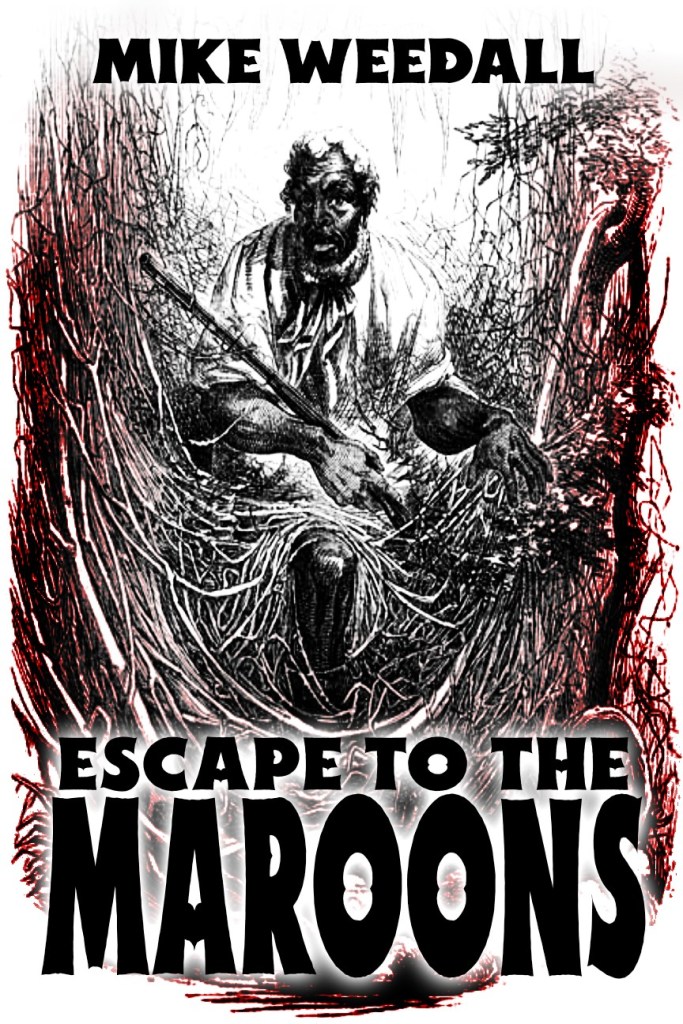
Any society that embraced slavery necessarily spawned Maroons. As history documents, people want to live free, no matter the hardships that entailed. Throughout the Caribbean and South America, Maroon communities developed beyond the reach of authorities. In Jamaica, where the government’s armed forces were few, a large and vibrant Maroon community thrived openly.
In North America, the challenges were more significant for self-liberated individuals to establish free communities within the South. Research indicates that the further an enslaved person was from Northern free states, the slimmer the likelihood of successfully escaping. Enslaved located in border states to the North were more likely to be able to move to freedom along the Underground Railroad. Recent analysis further concludes that over 70% of successful escapes happened via water routes.
The Great Dismal was not the only Maroon in North America. Documentation and research indicate that there were over fifty Maroon communities at some point before the end of the Civil War. None approached the size of the Great Dismal, and some existed only for a short period of time. Whether a remote Appalachian location or other swamps that dotted the South, people sought any opportunity. Outside of New Orleans, which was ruled by the Spanish prior to the Louisiana Purchase, Jean Saint Malo led a band that at times exceeded one hundred. This group was aided at times by the pirate Jean Lafitte (see his smiling image above). In another case, a creative individual dug a bunker near his former owner’s plantation and lived underground for years with the assistance of nearby slaves.
The creativity and risks taken never cease to amaze me. Their stories need to be more widely understood and act as beacons to us to resist current challenges to our civil liberties.
 Mike Weedall's Blog
Leave a comment