The joy of every writer of history is discovering and learning. When I started digging into what life was like for Maroon residents in the Great Dismal Swamp, it quickly became apparent that there were innumerable obstacles to daily survival. As in any society, health care was critical, particularly given the dangerous environment in which they lived.
I discovered that the self-liberated had come to the swamp prepared to treat their illnesses and injuries. This was because they had to take on those responsibilities on the plantations where they were imprisoned. Among the endless list of cruelties imposed upon the enslaved was not making doctors available. (One might argue that at the time, given the many primitive practices of the best Anglo medicine, self-care had advantages.) In response, treatments for illnesses used natural options such as plants and herbs. Knowledge of how to use what Mother Nature provided had been carried in slave ships and applied to the botany of North America.
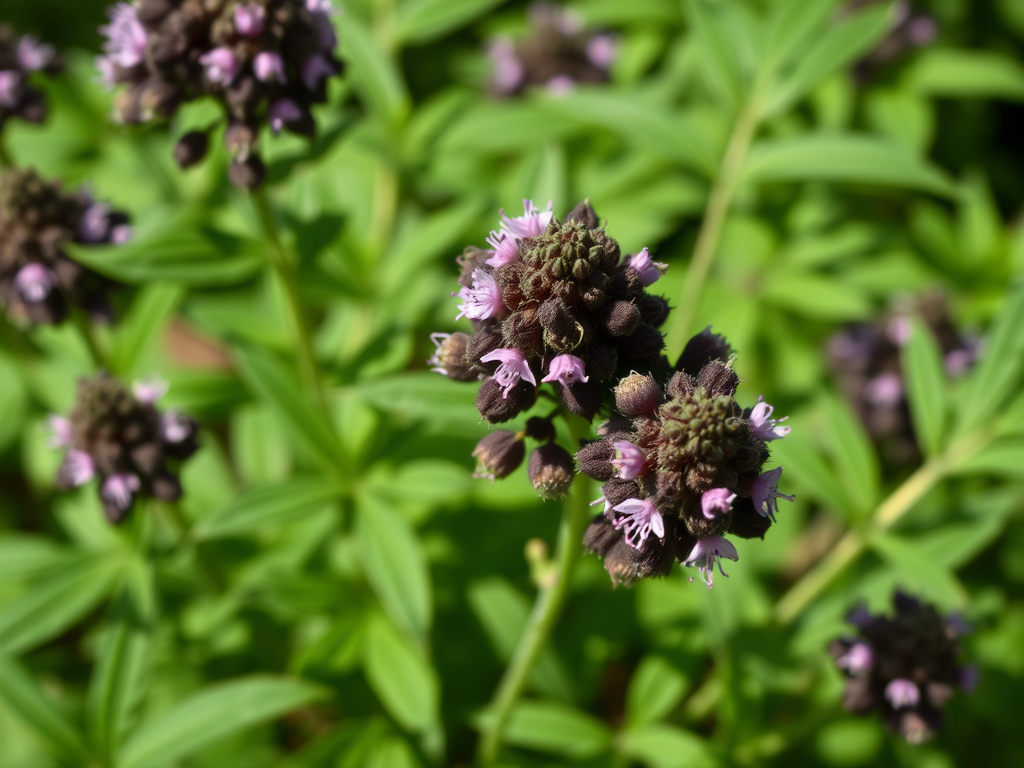
Grannies were often older women who had developed the knowledge and skills to work with healing herbs. As we know today, many of those same herbs we still rely upon as alternatives to formal medicine. American Ginseng and Black Cohosh (see above) are just two of the powerful treatments employed by Maroon residents and consumers today.
Besides plant work, Grannies had to deal with every other medical challenge, from birthing to the most extreme injuries. Life in the Great Dismal, confronting three types of poisonous snakes, wild boars, and bears, along with accidents that occur in every wilderness location, made surviving dangerous, to say the least.
As I seem to always return to when I close one of my blogs, my awe of the skills and creativity of those who came to manage these dangers cannot be measured. Freedom most precious.
 Mike Weedall's Blog
Leave a comment