“Astoria is very little for its age, and certainly the dirtiest town of its size we ever saw anywhere. There are evidences, however, that its second growth has commenced. The streets, hotels, and private houses are alike full of strangers, and were real estate held at its legitimate worth, many valuable buildings would soon take the place of decaying vegetable matter and decomposing sturgeons upon the river banks… As it is, you strain your breath through your handkerchief and fasten your thoughts as best you can upon the blue headlands in the distance and fancy you are happy.”
Abigail Scott Dunaway, Weekly Astorian, August 28, 1875
As you can see, my focus is changing. While I continue to get strong feedback on “Escape To The Maroons,” it’s time to head back into my writing cave.
For years, Sue and I did get-aways at the Cannery Pier Hotel in Astoria. The town is a great jumping-off point for short drives north or south to fabulous beach hiking. Restaurants in Astoria offer diverse options, with an emphasis on the freshest of seafood. And our favorite hotel built out over the water is most comfortable.
Throughout the Cannery Pier Hotel, and particularly on the second floor, are historical photographs and plaques describing the history of Astoria. (Even if you decide not to stay at Cannery Pier and are driving by, swing in and check it out.) The hotel is built upon the original site of the Fisherman’s Cooperative Packing Company.
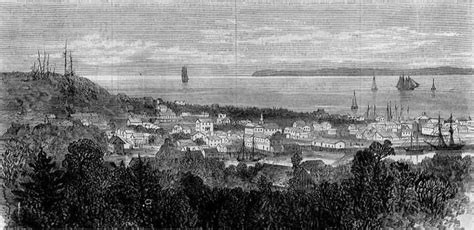
During the early days of Astoria, the steep hills were densely wooded, with only a narrow strip of flat land. As the town rapidly grew to meet European demand for canned salmon, the town expanded out over the river, constructed on pilings driven into the riverbed. Besides the canneries and timber mills, many businesses and commercial offices operated over the Columbia River, including the original Astorian newspaper. The Cannery Pier Hotel is the one remnant of that era’s construction practice. Any walk along the waterfront today reveals rotting pilings from those long-ago days.
The years of 1873-1879 saw the town burst from 2,000 to 7,000, with one out of three residents being Chinese. With no road over the mountains to inland Oregon, Astoria operated as an island. Goods needed were brought in via sail or sternwheelers from San Francisco, Portland, and worldwide ports. For residents, there were fifty-four taverns. Known by sailors throughout the world as the most dangerous place to be shanghaied, the town’s illegal trade was headed by a woman.
No more spoilers. I believe I have the storyline discovered and a rough outline to guide me. For me, this is the fun part. As such, some of you will be relieved to know I won’t be blogging as often. But I hope you stay in touch. See ya soon.
PS– Abigail Scott Dunaway’s quote about the stench of Astoria came from the practice of waste being dumped by canneries directly onto the Columbia River tidal flats. When river conditions were right, the fish leavings would be washed away. But until then, as many travelers opined, one smelled Astoria before seeing it.
 Mike Weedall's Blog
Leave a comment